
GRP Simulator Domes
Custom Mouldings are renowned for our exceptional GRP dome manufacturing and installation services: we’re the ‘go to’ partner for organisations around the world. From London to Germany, Rome to Langkawi, our highly skilled team provides bespoke screens and domes, crafted to design specifications for an exciting client base.
What We Offer
GRP Simulator Domes
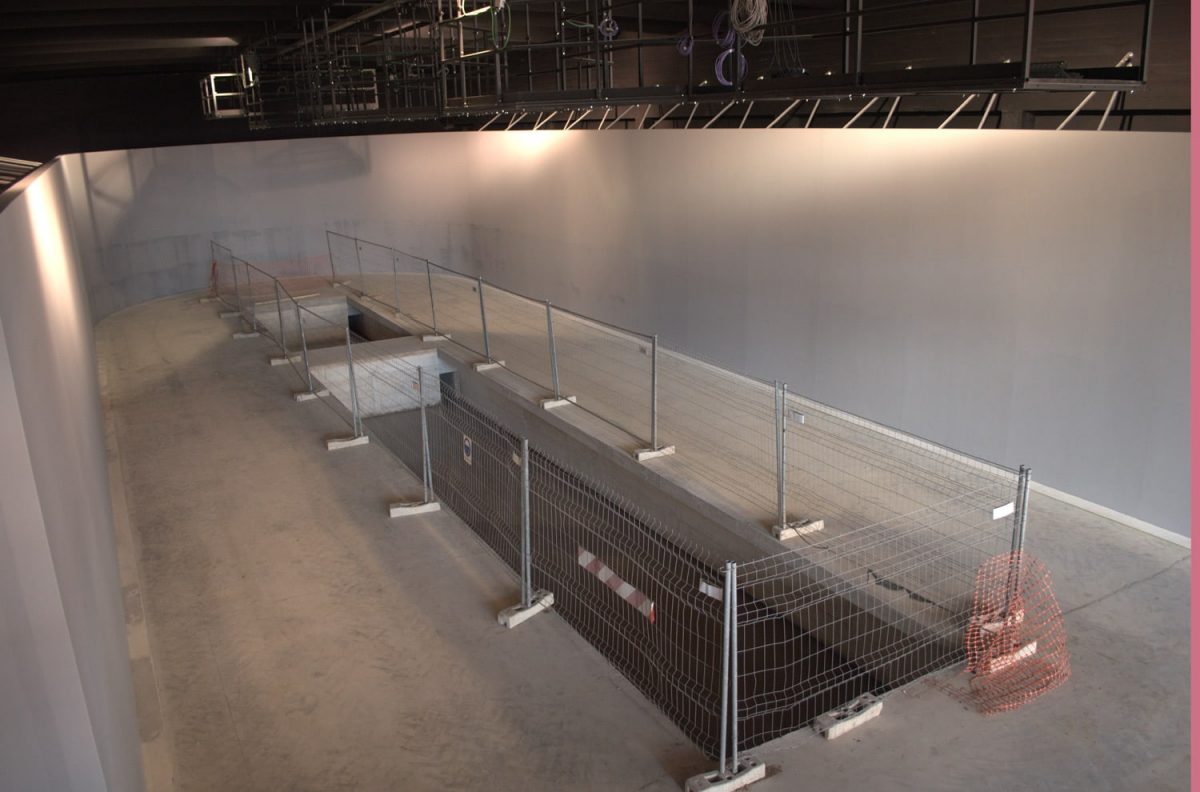
We can help you create and install bespoke simulator domes for your next major event, training or leisure facility.
Our GRP simulator dome solutions can be customised for:
- GRP Spherical and Cylindrical Simulator Screens
- F1 Driving Simulator Screens
- Driver training Simulator Screens
- Navy training simulator screens
- Theme Park Immersive tunnel simulator screens
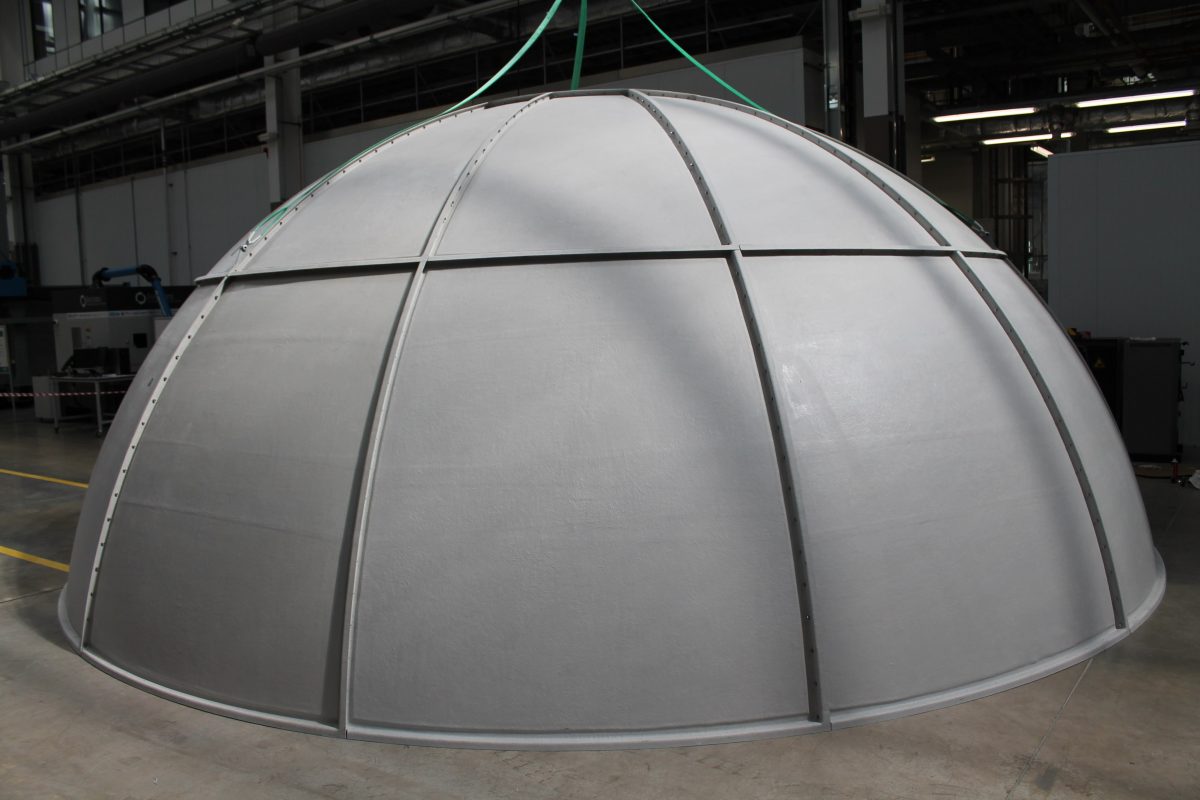
- Hemispherical GRP Domes
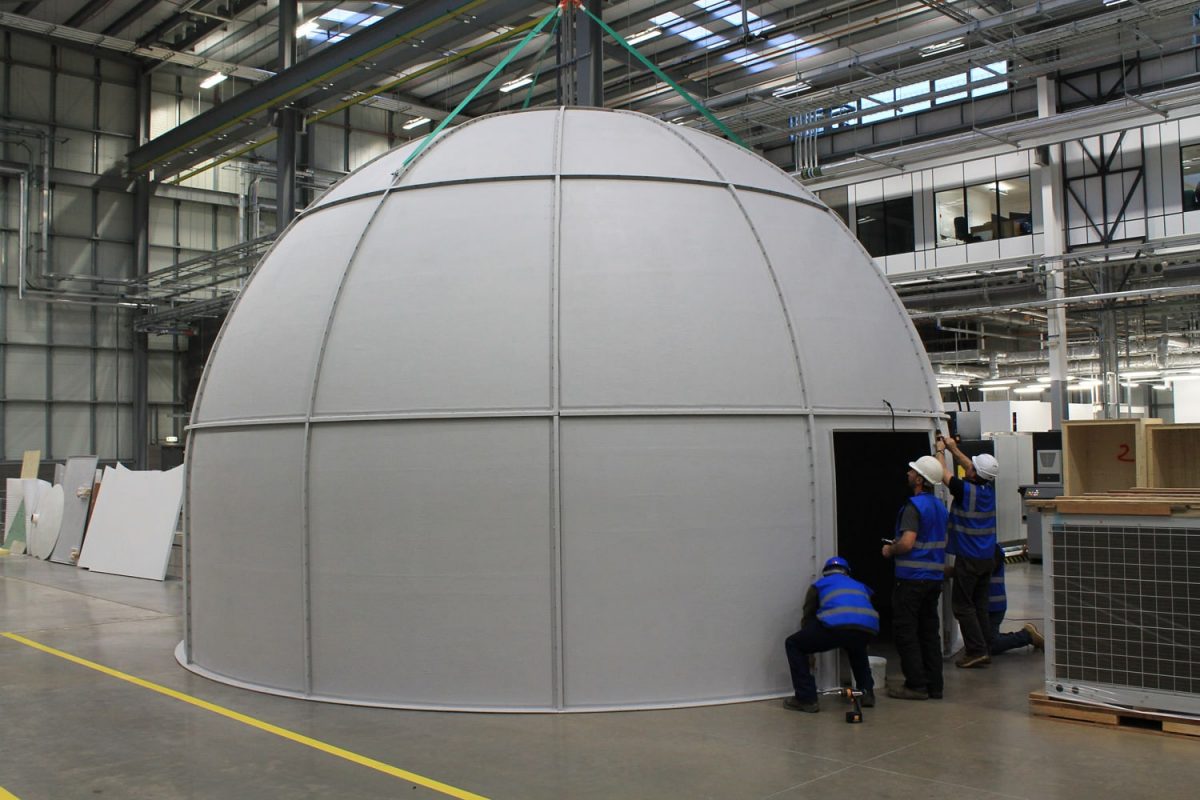
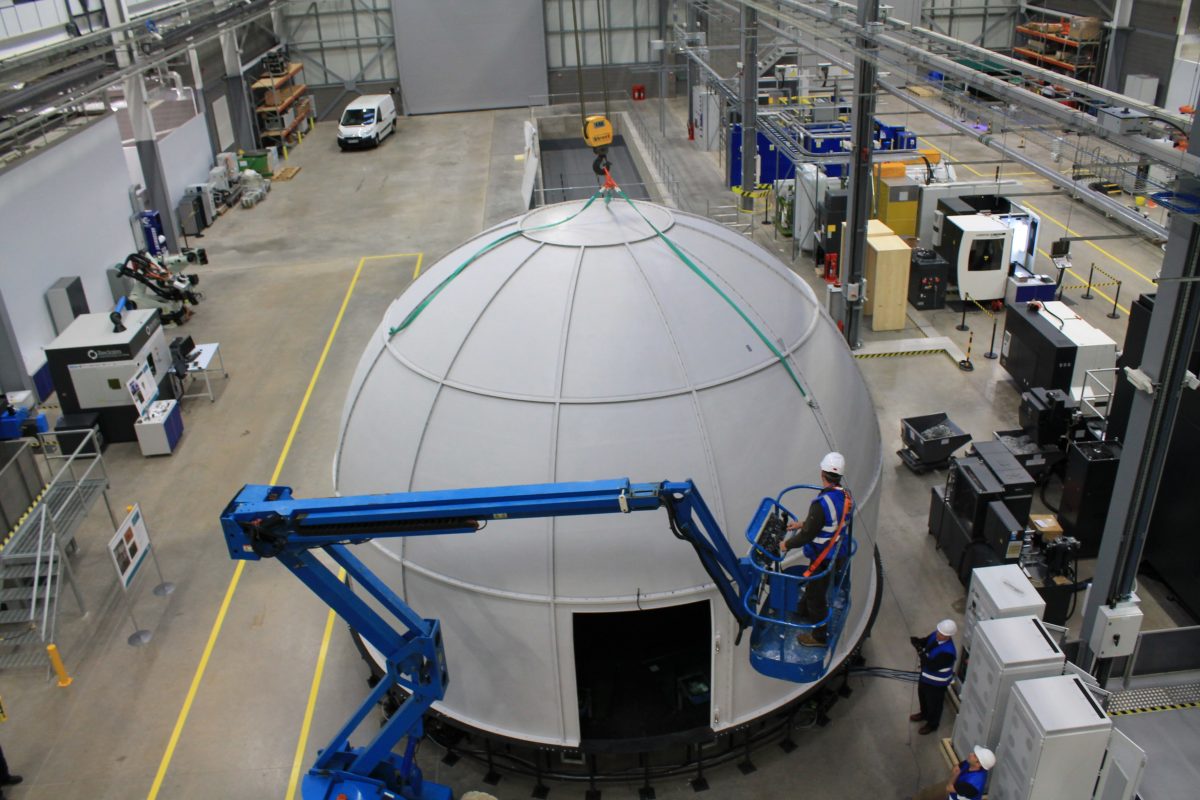
Immersive Simulator Domes
A GRP (glass-reinforced plastic) simulator dome is a type of enclosure used to create immersive experiences, such as simulations or virtual reality environments. These domes are made from a combination of glass fibres and plastic resin, which makes them strong and durable while also being lightweight. They are often used in military training simulations, aviation simulators, and other applications where realism and accuracy are important.
One of the main benefits of using a GRP dome for simulation is the wide field of view that it provides. Because the dome is completely enclosed, it allows users to look in any direction and see the simulated environment around them. This can help to create a more immersive and realistic experience, as it allows users to feel like they are truely “inside” the simulation.
GRP simulator domes are a vital part of creating realistic and immersive simulation environments, offering strength, precision and visual accuracy in one seamless structure. At Custom Mouldings we specialise in the design and manufacture of simulator domes made from glass reinforced plastic, more commonly known as GRP. This material has become the preferred choice for many industries because it combines lightweight construction with outstanding durability and the ability to form large, curved surfaces without compromising on quality or strength.
Simulation has become an essential tool in sectors such as aviation, defence, marine, automotive and entertainment. These industries rely on accurate and immersive environments to provide effective training and testing. GRP simulator domes are at the centre of this experience, creating the curved projection surfaces required for a true sense of realism. The ability of GRP to be moulded into complex and expansive shapes means we can manufacture domes that provide flawless surfaces, ensuring that every projection is sharp, clear and distortion free.
The quality of a simulator dome has a direct impact on the effectiveness of the training or experience it provides. A perfectly smooth and stable surface is essential to prevent visual irregularities that could reduce the sense of immersion. GRP allows us to achieve this level of precision, producing simulator domes that meet the highest standards for projection accuracy. Because GRP is also a lightweight material, it is easier to install and maintain compared with traditional construction methods, while still offering the long lasting durability that simulation environments demand.
At Custom Mouldings we understand that every simulator project is unique. Some require large scale domes capable of accommodating full motion simulators, while others need more compact designs for specialised training. Our bespoke manufacturing process means we can create GRP simulator domes that are tailored to exact specifications. We work closely with clients to understand the technical requirements, dimensions and curvature needed, ensuring that the final product integrates seamlessly with the simulator system. Our attention to detail throughout the design and manufacturing process guarantees results that deliver on both performance and appearance.
Durability is another key advantage of GRP simulator domes. The material is resistant to impact, wear and environmental changes, meaning that it maintains its structural integrity and surface quality even after prolonged use. This is especially important in professional training environments where simulators are used continuously and reliability is critical. By choosing a GRP simulator dome, clients are investing in a solution that offers long term performance without the risk of warping, cracking or deterioration that can occur with less advanced materials.
At Custom Mouldings we pride ourselves on combining technical expertise with skilled craftsmanship. Our experience in manufacturing GRP structures for a wide range of industries gives us the knowledge to deliver simulator domes that meet the most demanding standards. We use advanced moulding techniques to achieve precise shapes and flawless finishes, ensuring that every dome we produce enhances the quality of the simulation experience.
If you are seeking a partner to deliver GRP simulator domes that are accurate, durable and fully tailored to your project, Custom Mouldings is here to help. We are committed to providing high quality solutions that bring together performance and reliability, ensuring that every simulator we work on delivers an immersive and effective experience. Contact us today to discuss your requirements and discover how our GRP simulator domes can support the success of your project.
Multi Use Simulator Domes
In addition to their use in simulation, GRP domes are also popular for use in other applications, such as observatories and planetariums. The clear, unobstructed view provided by the dome allows for an unparalleled viewing experience of the night sky or other visual displays.
Overall, GRP simulator domes are a versatile and effective tool for creating immersive experiences and environments and are used in a wide range of applications where realism and accuracy are important.
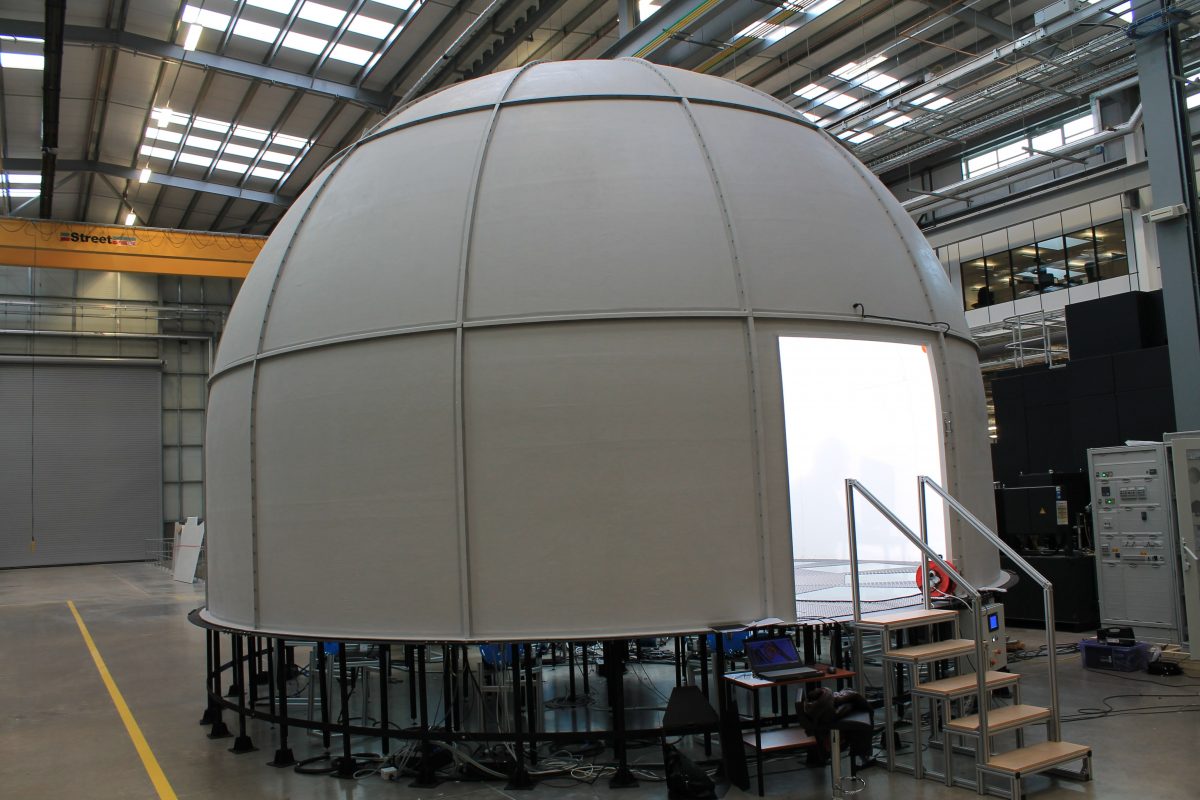
Gallery
Frequently Asked Questions
What are GRP simulator domes used for?
GRP domes create immersive enclosed or semi-enclosed projection environments for flight, defence, marine and driving simulation, as well as theme parks, observatories, planetariums and specialist visual installations.
Can a simulator dome be manufactured to a bespoke size?
Yes. Dome diameter, height, curvature, segmentation, access and supporting details can be designed around the simulator, projection equipment and installation space.
What are the benefits of a GRP simulator dome?
GRP combines low weight, structural strength and the ability to form a smooth, accurate curved surface. It is also durable and resistant to wear during repeated professional use.
Which industries use simulator domes?
Common sectors include aviation, defence, marine, automotive, motorsport, research, entertainment, visitor attractions and specialist training.
Can Custom Mouldings install the completed dome?
Installation can be provided for suitable projects. The team will assess transport, site access, assembly, supporting structures and finishing requirements as part of the quotation.
Can a large simulator dome be manufactured in sections?
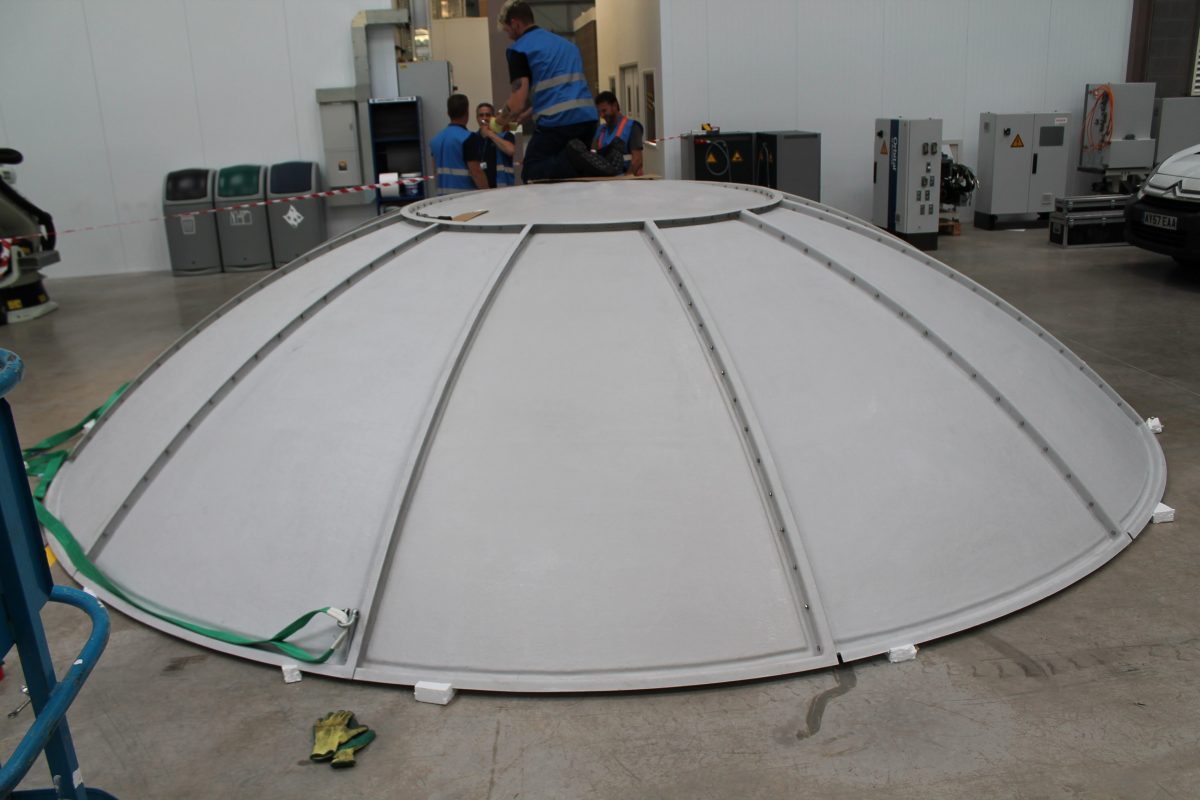
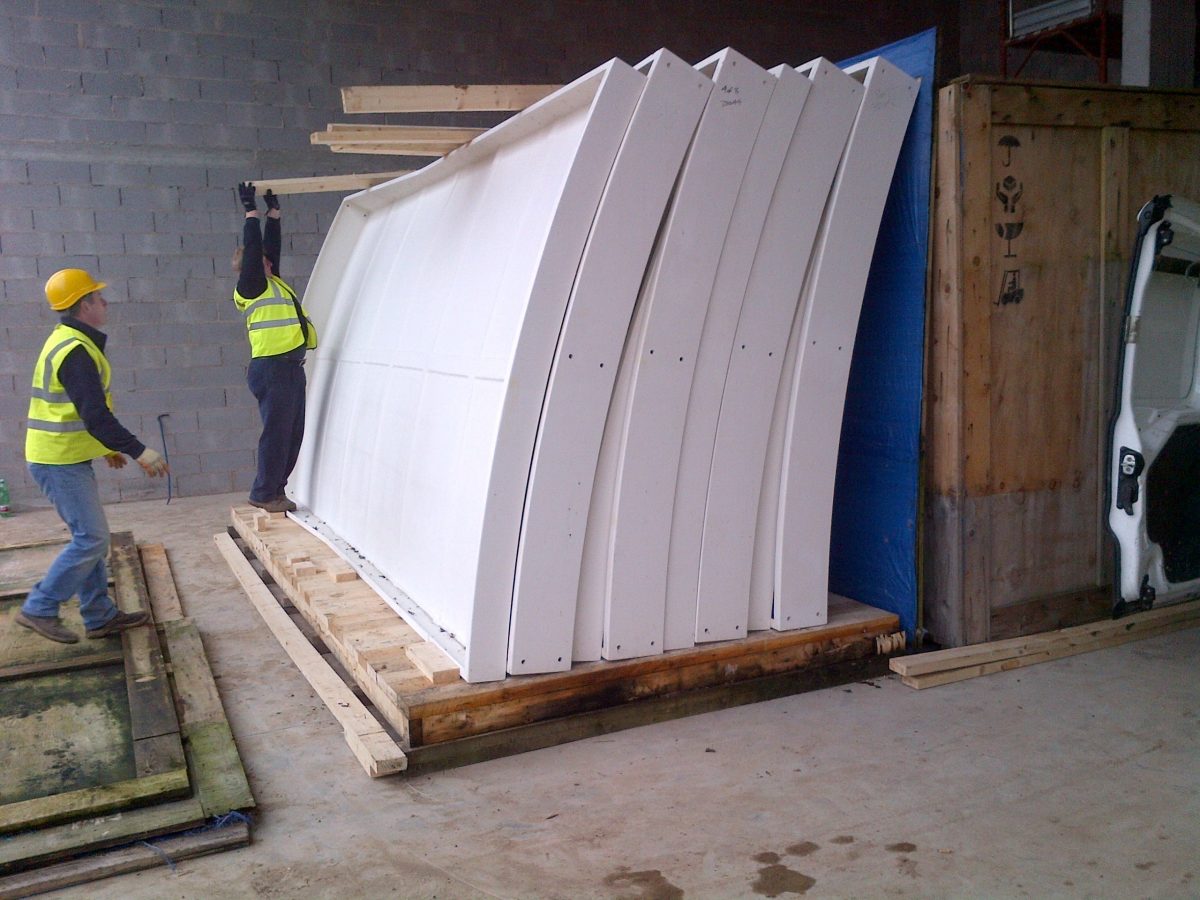
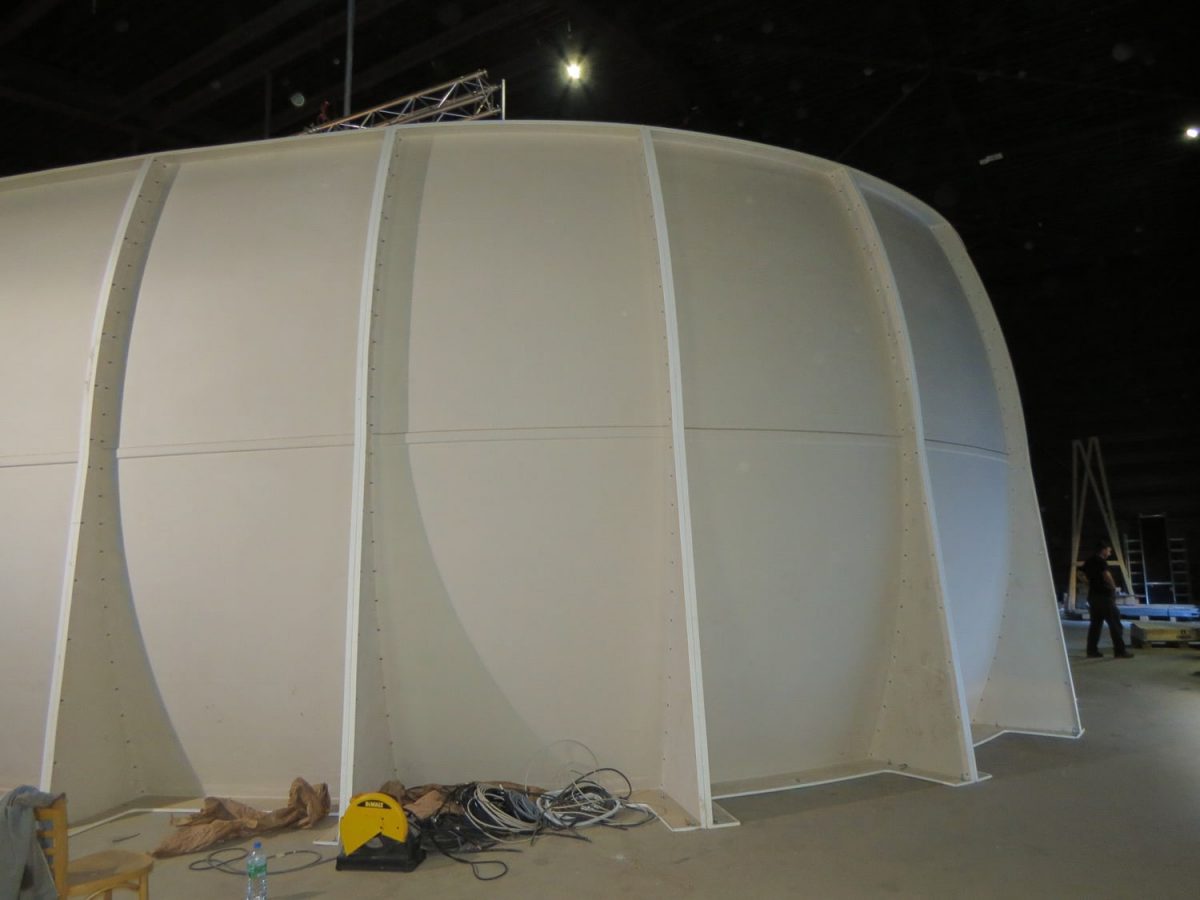
Yes. Domes are commonly divided into accurately formed sections so they can be manufactured, transported through available access and assembled efficiently on site.
Can openings, doors or equipment interfaces be included?
Yes. Access openings, equipment clearances, edge details, mounting interfaces and other project-specific features can be incorporated during design development.
Can the internal surface be finished for projection?
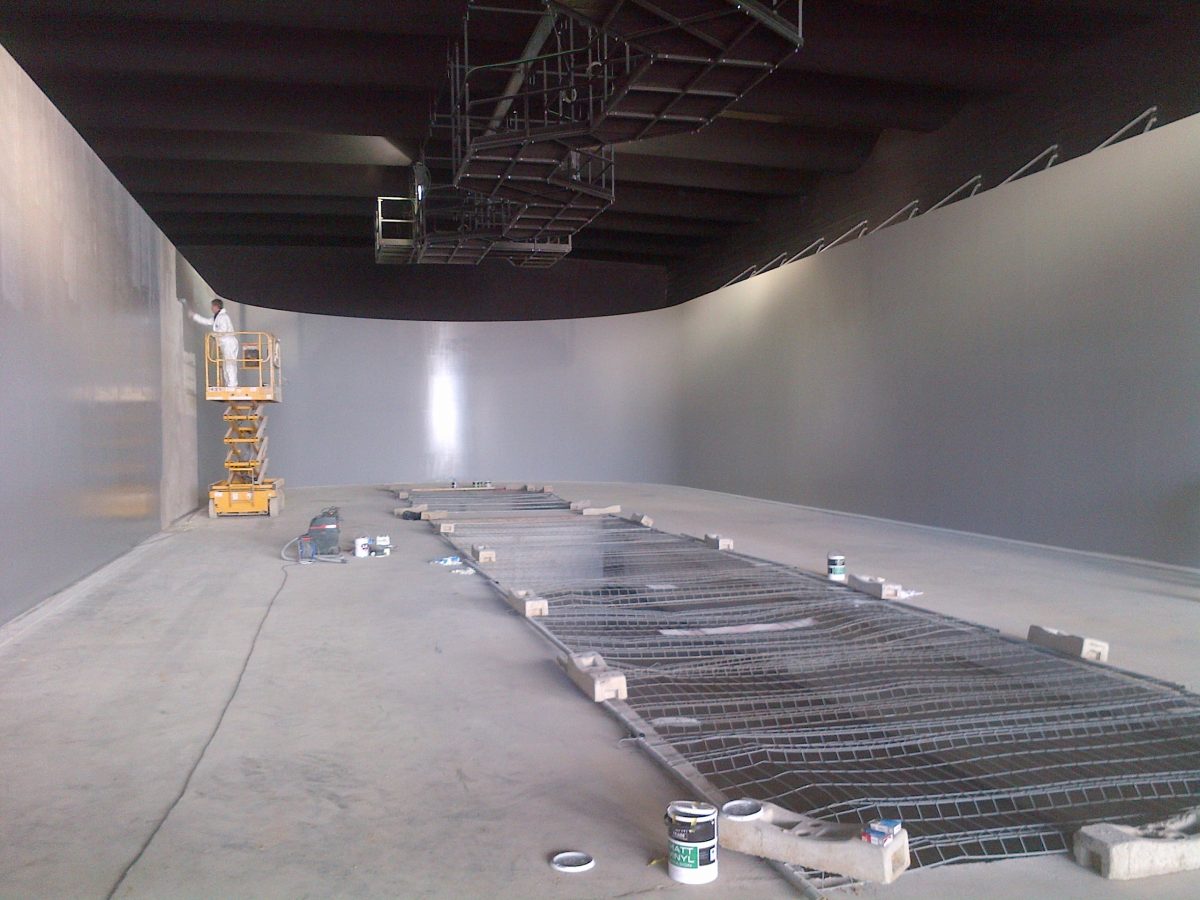
Yes. The projection surface can be prepared to the agreed smoothness and finish, although the exact optical specification should be confirmed with the projection-system designer.
Can simulator domes be delivered and installed overseas?
Yes. International projects can be supported, with segmentation, packaging, transport, site access and installation requirements reviewed as part of the project planning.
What details are required for a simulator dome quotation?
Provide the dome diameter, height or field of view, simulator application, projection arrangement, access constraints, supporting structure, finish and installation location where known.